
 05 Nov, 2025 • 2 minute read
Why chat in Qaxa isn’t just another feed
That matters because many workplace chat tools create the same problem they claim to solve. They make communication fast, but they pull it away from the work it relates to. The result is more switching, more searching, and more lost context.
We think chat should stay closer to the work.
When chat becomes a distraction
In many tools, conversation lives in a separate feed. Work lives somewhere else. Files are stored elsewhere again.
That means a simple piece of work can end up split across:
- a chat thread
- a task board
- a file link
- a note
- someone’s memory
The conversation moves quickly, but the context breaks apart.
Communication in context
Qaxa is built so communication can happen where the work already lives.
You can:
- chat inside a room
- comment inside a task
- discuss a note directly
- open a private one-to-one conversation when needed
That keeps decisions, clarifications, and updates closer to the work they belong to.
How it works
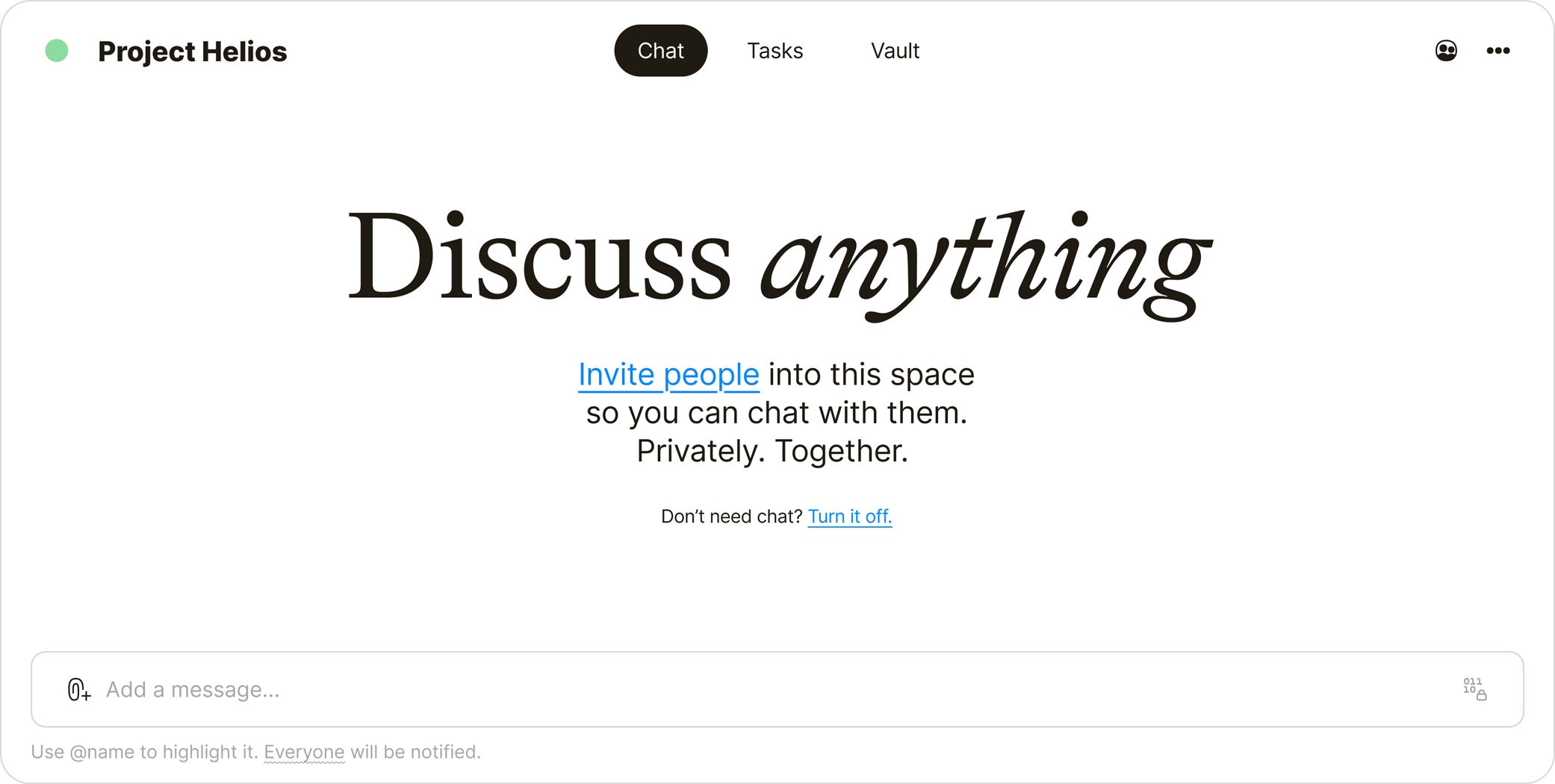
Room chat
Each room includes its own private chat, so the conversation stays with the people and work inside that room.
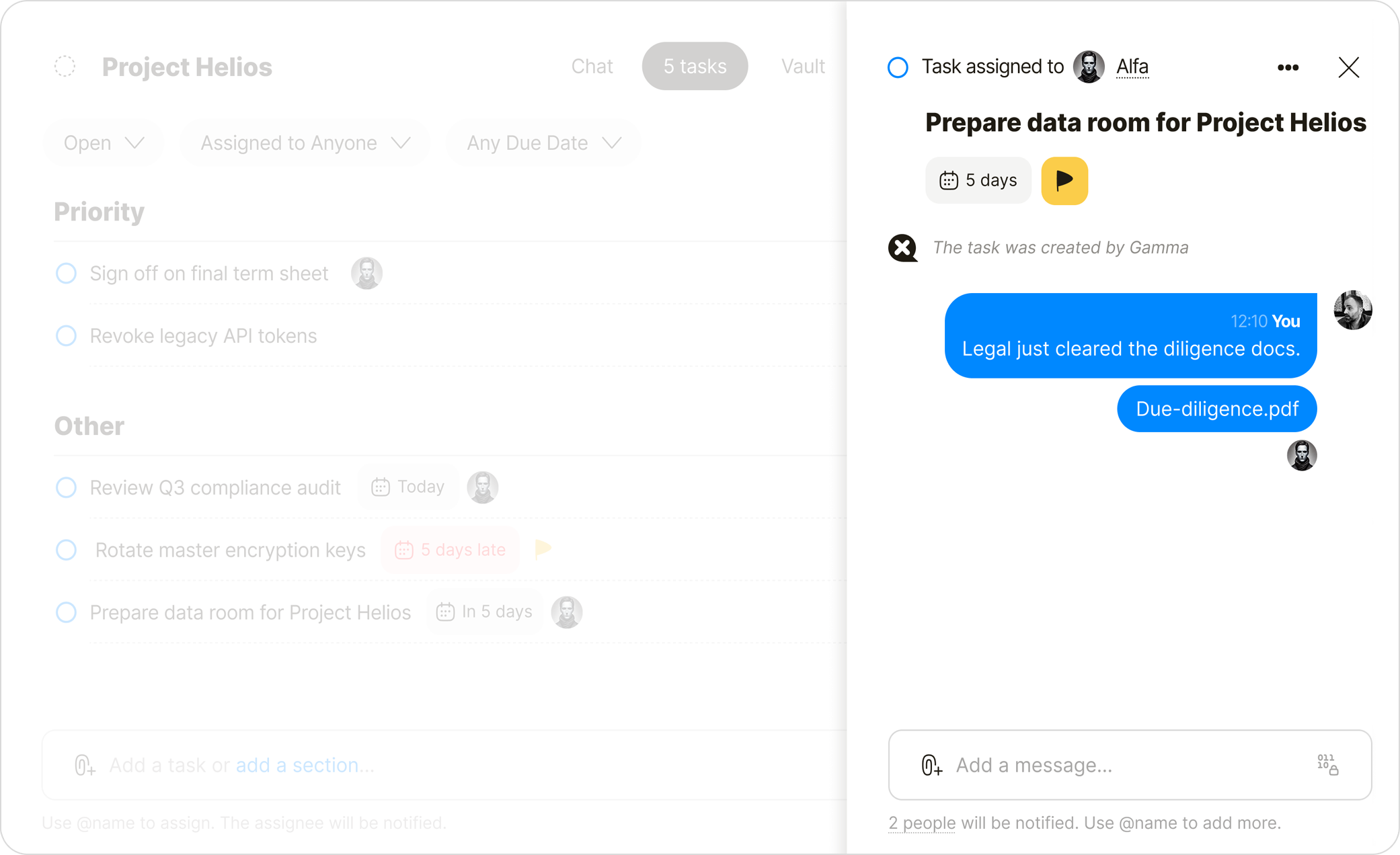
Comments inside tasks and notes
If a discussion belongs to a specific task or note, it can happen there instead of getting buried in a broader room chat.
That means less hunting for instructions and less duplication across tools.
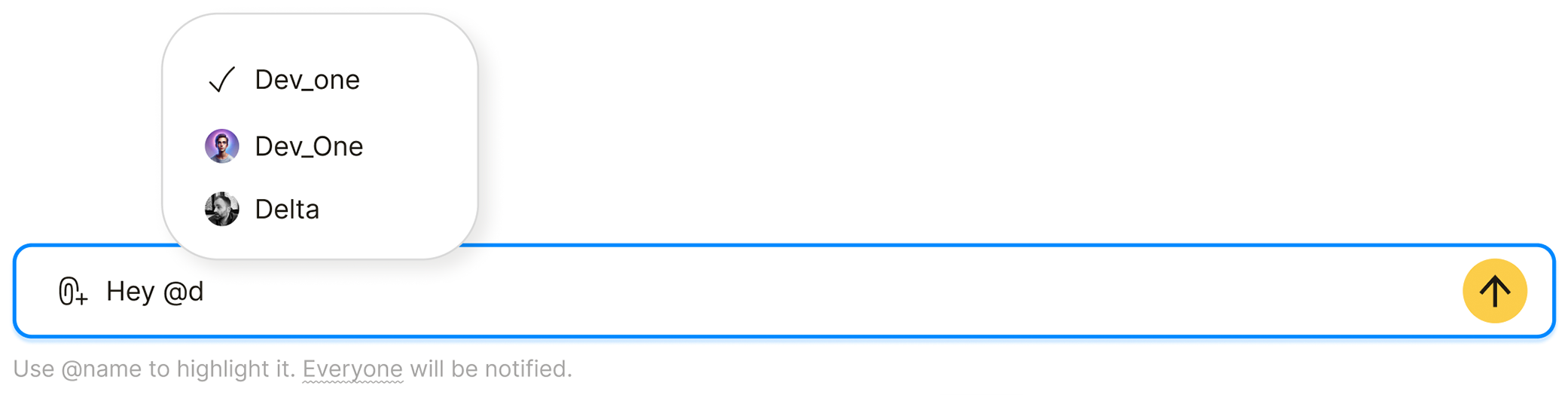
Simple communication tools
Qaxa includes the basics people actually use:
- mentions when someone’s attention is needed
- reactions for lightweight acknowledgement
- file attachments when context needs supporting material
The goal is to support communication without turning it into a feed for its own sake.
Encrypted by design
Messages are encrypted as part of Qaxa’s broader security model, so private conversations stay inside the room instead of becoming readable provider-side content behind the scenes.

The result
Chat stops being a separate stream you have to manage.
Instead, it becomes part of the workflow:
- closer to the task
- closer to the file
- closer to the note
- closer to the people involved
That makes communication more private, more useful, and easier to follow.
What’s next
We are exploring improvements such as message search, threaded replies in room chat, and Markdown support. But the principle stays the same: chat should stay connected to the work, not compete with it.